 HFM
HFMRiskA leveraged position moves against you as fast as it moves for you.
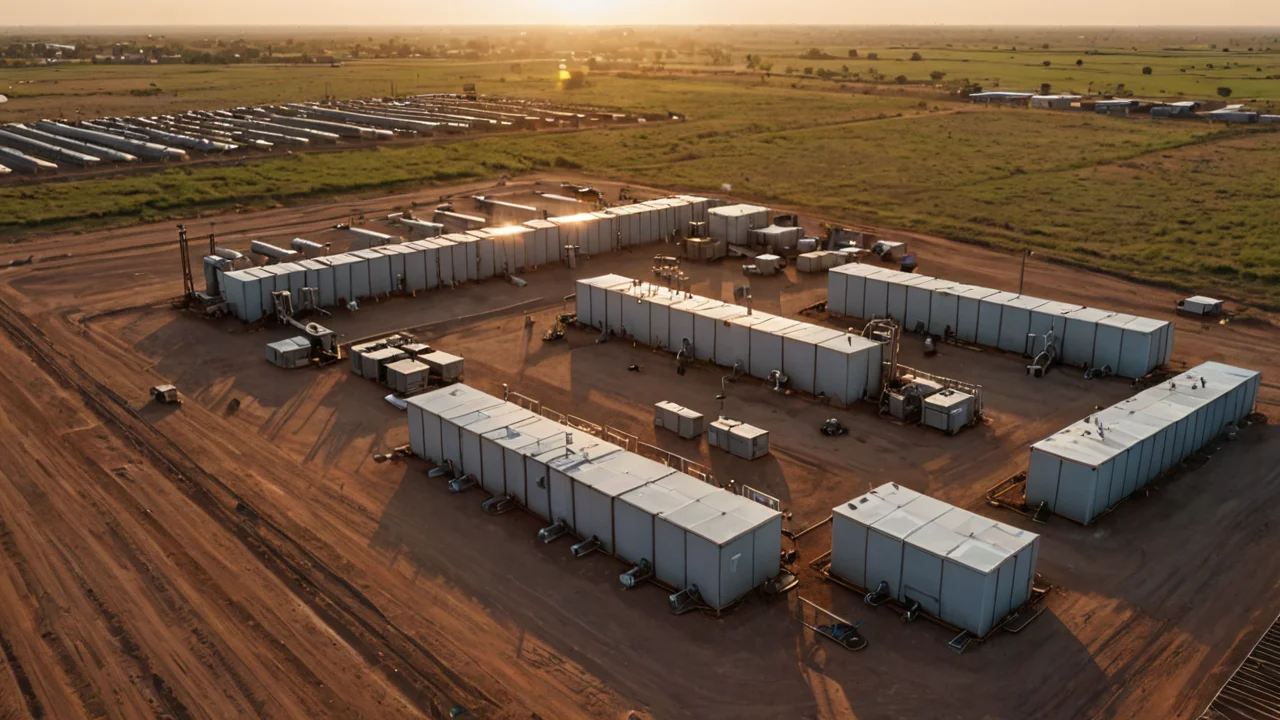
Sasol
JSE Energy & Chemicals LargeTrading SOL on the JSE means trading Sasol Limited, South Africa's giant energy and chemicals company. For many local investors, it is a familiar name. For traders, SOL offers a way to speculate on the oil price, the global chemical cycle, and the rand all at once. This page explains how to get exposure to Sasol through a CFD broker, what to watch for, and what the first few weeks of trading actually feel like.
Sasol: The Basics
SOL is the ticker for Sasol Limited on the Johannesburg Stock Exchange (JSE). It sits in the Energy & Chemicals sector and is a large-cap stock, meaning it is one of the bigger companies on the exchange. Sasol is a component of the FTSE/JSE Top 40 and the FTSE/JSE All-Share index, so when the market moves, Sasol often moves with it, and sometimes more.
The share is known for high volatility. That volatility is directly tied to the commodity cycle. When oil prices spike, so does Sasol. When they drop, the share can fall hard. This makes it a favourite for retail investors who want leveraged exposure to oil and chemical prices without buying futures. But that leverage cuts both ways.
How to Trade Sasol with a CFD Broker
You do not need to buy the physical share on the JSE to trade Sasol. A Contract for Difference (CFD) allows you to speculate on the price movement of SOL without owning the underlying stock. You are betting on whether the price goes up or down.
- If you think the price will rise, you open a buy position (going long).
- If you think the price will fall, you open a sell position (going short).
- Your profit or loss is the difference between your entry price and your exit price, multiplied by your position size.
In South Africa, retail forex and CFD trading is legal and regulated. The conduct regulator is the Financial Sector Conduct Authority (FSCA). Any broker serving South African retail clients must be an authorised Financial Services Provider (FSP) under the FAIS Act. A broker acting as a counterparty and issuing CFDs must also hold an OTC Derivative Provider (ODP) authorisation under the Financial Markets Act. This matters because it gives you a layer of local recourse if something goes wrong.
CFDs are commonly offered by international brokers, and Sasol CFDs are no exception. A broker like HFM, which operates locally under a genuine FSCA FSP licence No. 46632, offers access to this market without you needing a direct JSE trading account.
The Costs of Trading SOL
Before you open a position, you need to understand the direct costs. These are not hidden fees, but they do eat into your profit.
| Cost Type | Typical Level | Notes |
|---|---|---|
| Spread | From 1.4 pips on Premium accounts | The difference between buy and sell price |
| Commission (Zero accounts) | USD 3 per lot per side, raw spread from 0.0 | Lower spread, fixed commission per trade |
| Overnight financing | Variable, depends on leverage and direction | Charged when holding positions past the daily cut-off |
| Currency conversion | 2-3% if not using a ZAR account | This is what banks charge for ZAR-USD conversion |
The key takeaway here is the spread. On a Premium account, you pay a slightly wider spread but no commission. On a Zero account, you pay a near-zero spread but a commission of roughly USD 3 per lot per side. If you are trading small sizes, the Premium account spread might be cheaper in practice. If you are trading larger volumes, the Zero account commission will often work out better. On a trade involving SOL, where the volatility is high, getting the cost structure right matters more than with a stable blue-chip like Shoprite.
Leverage and Risk on SOL
Leverage amplifies both gains and losses. South Africa has no ESMA-style retail leverage cap, so brokers can offer high leverage. HFM, for example, offers up to 1:2000 depending on the instrument and your equity.
Let me put that into perspective. Leverage of 1:100 means that for every R100 you put up as margin, you control R10,000 worth of Sasol. If the share moves 1%, your profit or loss on that position is 100% of your margin. A 5% move against you can wipe out your entire margin, and if the broker does not close the position automatically, you could owe more.
Sasol is a high-volatility stock. Earnings season, oil price shocks, and the rand exchange rate can all cause 3-5% swings in a single day. High leverage combined with high volatility is a risky combination. The first rule for a beginner is to keep leverage low until you understand how the market moves.
Why Trade Sasol Instead of Just Buying the Share?
The main difference between a CFD and buying the share on the JSE is leverage and flexibility.
- CFDs allow going short, so you can profit when the price falls.
- CFDs use margin, so your capital is not fully tied up.
- CFDs do not pay dividends (you may receive a dividend adjustment, but it is not the same as owning the share).
- Direct share ownership requires a stockbroker account and more upfront capital.
For an active trader, the CFD route gives more control. You can set stop-loss orders to limit downside. The trade-off is the cost of financing positions you hold for more than a day. The overnight swap rate on a high-volatility stock like Sasol can be substantial.
What to Check Before You Open an Account
Choosing the right broker is not about brand names. It is about verification. You can check any broker's FSP status free on the FSCA register at fsca.co.za and confirm the FSP number matches the broker's site. A genuine local FSCA licence means fund segregation, transparent pricing, and access to local support.
When reviewing a broker, focus on the regulatory strength first, then the costs, then the funding options.
| Factor | Why It Matters | What to Check |
|---|---|---|
| FSCA licence | Local legal protection and recourse | Verify FSP number on the FSCA register |
| Funding options | Fast, low-cost deposits and withdrawals | Look for Instant EFT via Ozow, Capitec Pay, SiD |
| Base currency | Avoid hidden conversion fees | Check for ZAR-denominated accounts |
| Instrument list | Access to SOL and other JSE shares | Look for 1000+ CFD instruments |
| Support | Help when you need it | Check if there is a local office or local support team |
For South African residents, the payment rails are also important. Instant EFT via open-banking gateways like Ozow, Capitec Pay, and SiD is dominant in the local market. Deposits are usually instant and free. Withdrawals typically take 1-2 business days. Using a broker that supports these local rails means you are not waiting days for a SWIFT transfer or paying high bank conversion fees.
My First Weeks Trading SOL
If you are new to trading SOL as a CFD, the first few weeks are about more than just picking a direction. It is about learning your reactions to the market.
Your first trades should be small. Start with a position size where a 5% move against you does not hurt your account or your confidence. The goal is not to make money immediately. The goal is to learn how the spread, the swap rate, and the volatility of Sasol feel in real time.
Trading hours also matter. The JSE equities session runs from 09:00 to 17:00 SAST. Oil prices, however, move on global markets. If you are trading SOL in the evening after US markets open, the gap between the JSE close and the open can be significant. Most price discovery happens during the JSE session, so that is the window to focus on.
The key habit to build early is a stop-loss on every trade. This is not about preventing losses, it is about limiting them. Sasol is too volatile to leave a position unguarded. A hard stop-loss means you decide in advance how much you are willing to lose on this specific trade, which keeps a single bad day from becoming a catastrophic one.
Leverage and volatility on Sol
Trading Sasol CFDs gives you a way to play one of South Africa's most iconic companies without buying the underlying shares.
Consider it if you want leveraged exposure to oil and chemicals, if you are comfortable with high volatility, and if you understand how stop-losses and margin work. The ZAR accounts and local bank integration make it a smooth option for South African residents.
Avoid it if you are capital-preservation focused or if you are not prepared to manage the risk of high daily swings. Sasol is a cyclical payer with high volatility, which means a rough earnings season can hurt badly. If that is not your style, you may prefer a more strictly regulated international broker with different account types or lower leverage limits.


Questions
Is SOL the same as Solana?
+
No. In the crypto world, SOL is Solana. On the JSE, SOL is the ticker for Sasol Limited, the energy and chemicals company. This page covers the Sasol share.
Can I trade Sasol CFDs outside JSE hours?
+
Yes, many CFD brokers offer extended trading hours. However, liquidity is best during the JSE session from 09:00 to 17:00 SAST. Trading outside these hours can mean wider spreads and less predictable price moves.
Do I receive dividends when trading SOL as a CFD?
+
No. When you trade a CFD, you do not own the underlying share, so you do not receive dividends. Your broker may pay a dividend adjustment to your account, but this is a cash adjustment, not a dividend, and it may be subject to different tax treatment.